

METEORs
The Modules Experiment-ThEOry-Research are the core of MAUCA. They are interactive, research-focused teaching modules in which students simultaneously learn theoretical and practical skills. Most METEOR are related to existing or future international research projects, instruments, and/or space missions. All supervisors are research experts in the topics covered by the METEOR.
On top of the common C2PU METEOR, each MAUCA student chooses 4 METEORs in Nice, and 1 among the METEORs abroad, allowing them to build an à la carte master. Nonetheless, the four METEORs in Nice must cover at least three categories among the five listed below.
Check out the conditions to validate courses, semesters, and years (Méthode de Contrôle des Connaissances) here.
The list below shows the METEORs available in 2026/2027. NB: Some syllabuses show the wrong category; the real one is the one shown on this page and in the leaflet. Exceptionnaly, two METEORs whose topic lie at the interface between stellar physics and planetary science can count for either of the categories.1. Planetary sciences
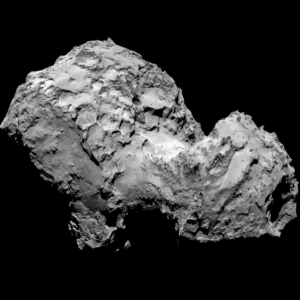
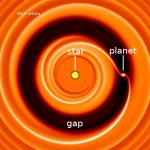
Planet-disk interactions
Simulate planet migrating within accretion disks in the lab!
A. Crida, H. Méheut & E. Lega - Syllabus
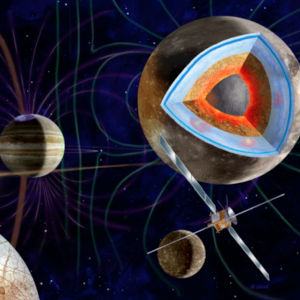
JUICE - JUpiter ICy moons Explorer
Study the interior of Jupiter moons with a space mission!
A. Fienga & A. Mémin - Syllabus
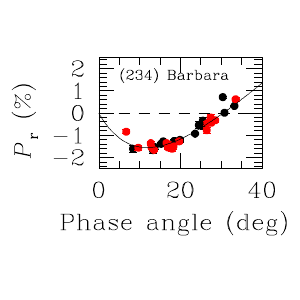
Asteroid Polarimetry: Observation and Analysis
Explore exotic properties of asteroids!
Ph. Bendjoya - Syllabus
1.2 Planetary or Stellar physics
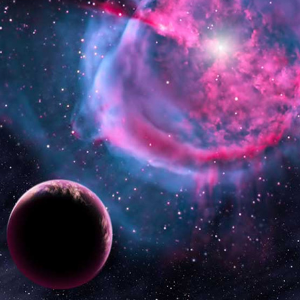
Planetary Dynamics and Stellar Evolution
Model the fate of planets in the late stage of stellar evolution!
Ph. Bendjoya - Syllabus
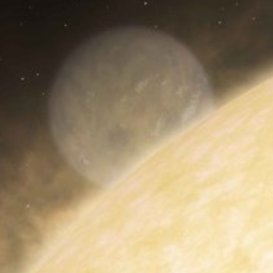
Atmospheres of exoplanets and stars
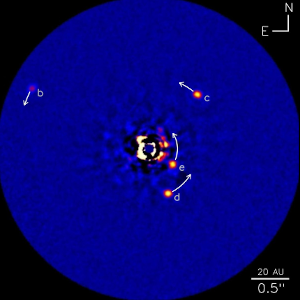
Analyze JWST spectra of exoplanets!
V. Parmentier (& A. Chiavassa) - Syllabus
2. Stellar and galactic physics
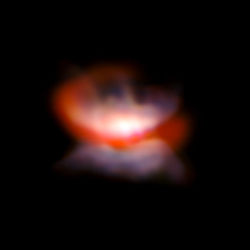
Astrophysics of Gaseous and Dusty Nebulae
Understand planetary nebulae and analyze their morphology with VLT images!
P. de Laverny & É. Lagadec - Syllabus
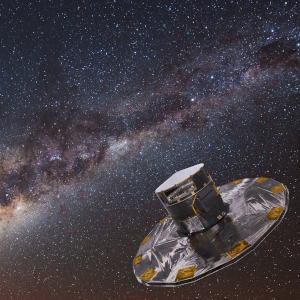
Galactic Archeology
Decipher the Milky Way formation and evolution!
A. Recio-Blanco & P. de Laverny - Syllabus
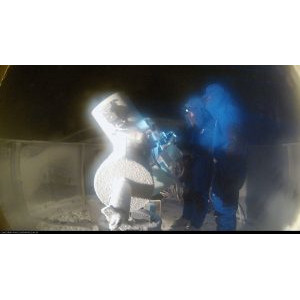
Stellar Pulsation and Evolution
Probe stellar interior from their surface pulsation!
M. Chadid - Syllabus
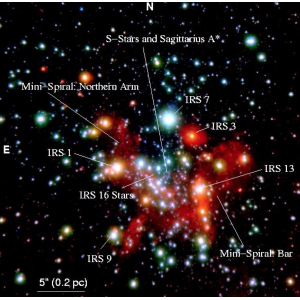
Infrared spectroscopy in the Galactic center
What happens near the central black hole?
M. Schultheis & G. Kordopatis - Syllabus
3. Extragalactic, cosmology & relativity
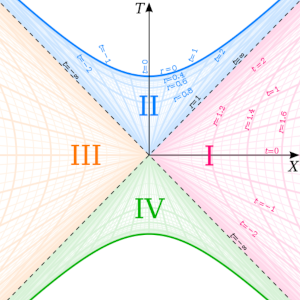
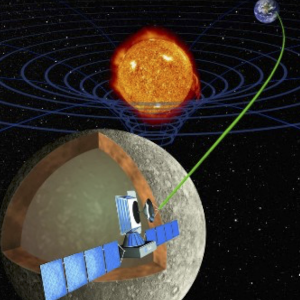
Relativistic Gravitation and Astrophysics
Study the geometry of space and time!
B. Chauvineau - Syllabus
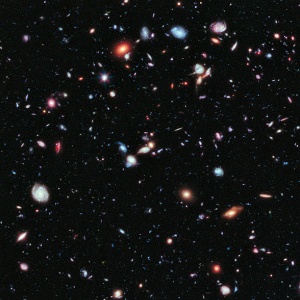
Formation and Evolution of Galaxies
The growth of galaxies through the history of the Universe
E. Slezak - Syllabus
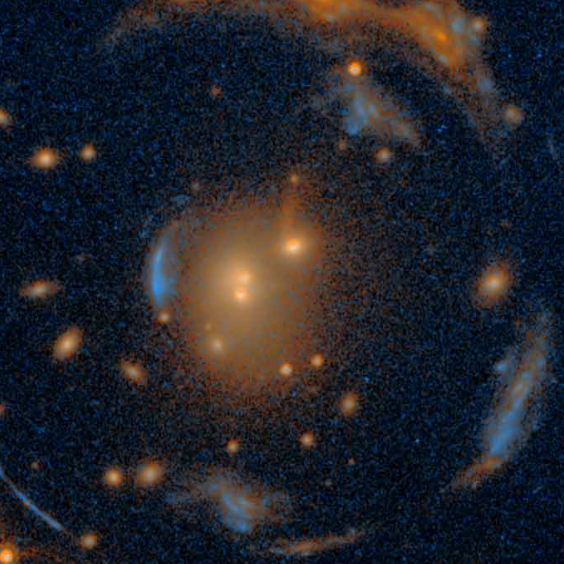
Galaxy clusters as multiwavelength astrophysical laboratories
Study the largest graviationnaly bound structures of the Universe!
S. Bhargava & R. Adam - Syllabus
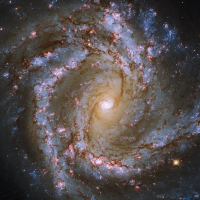
Star clusters: a looking glass into galaxy evolution
Prepare to unlock the secrets of galaxies!
M. Boquien & J. Lee - Syllabus
4. Signal processing & numerical methods
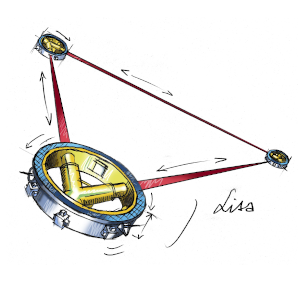
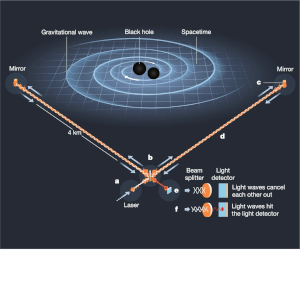
LISA data analysis
How to analyse data from a space-based gravitationnal wave detector!
N. Korsakova - Syllabus
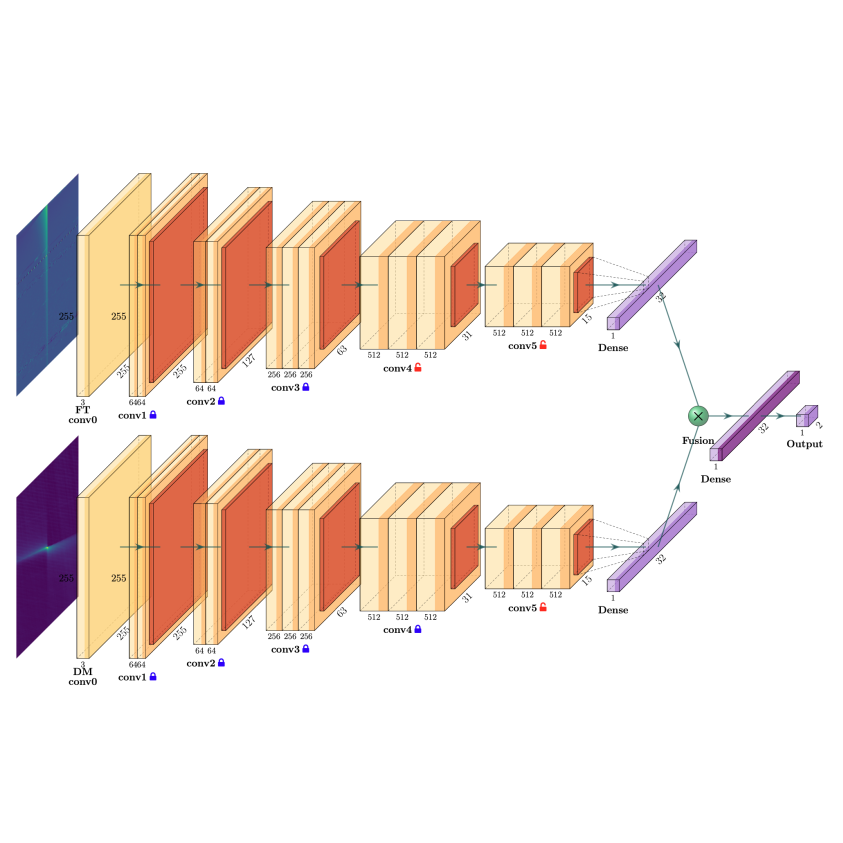
RFI masking recast as a supervised segmentation problem
Learn about Radio Frequecy Interference, and avoid it with machine learning!
S. El Bouch - Syllabus
5. Astronomical optics & instrumentation
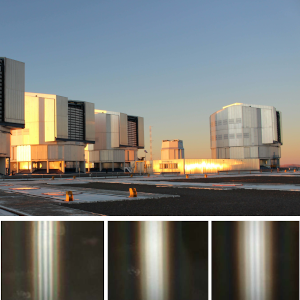
Stellar Amplitude Interferometry
Exploit MATISSE data to reach the highest angular resolution and determine stellar parameters.
S. Robbe-Dubois - Syllabus
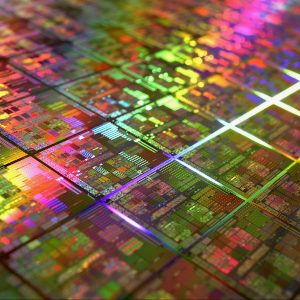
Photonics for High Angular Resolution Astronomy
Play with photons in the lab!
F. Martinache & N. Cvetojevic - Syllabus
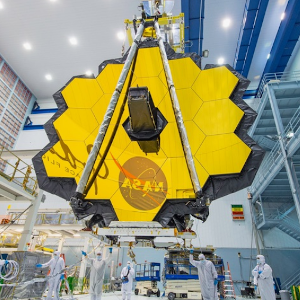
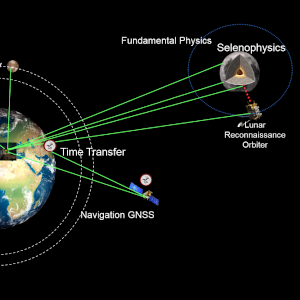
Ground to Space Laser Links for Space applications
Measure the distance to the Moon with a laser!
J. Chabé - Syllabus
Astronomical Adaptive Optics
Correct the image deformation from the atmosphere!
M. Carbillet & O. Lai - Syllabus